 Layup
LayupTensile Strength
Corrosion Lifespan
Weight vs Steel
Thermal Conductivity
Engineered to outlast the environment
that destroys everything else.
Molten resin meets woven roving on our factory floor and emerges as structural panels, gratings, and custom profiles. Where steel corrodes and aluminum fatigues, FRP composites hold specification — decade after decade.
Four failure scenarios.
One material passes every one.
Each block below runs the conditions that end the service life of conventional materials — and shows exactly where FRP holds and where steel, aluminum, and PVC don't.
UV & Weathering Degradation
After 10 years of direct UV exposure, 40°C thermal cycling, and acid rain — which material holds structural specification?
Recoating cost over 50 years
Steel requires median 14 repaints over the same period — $47/m² per cycle on a 2,000m² deck.
Chemical Attack
Continuous exposure to sulfuric acid vapor (5–98%), sodium hydroxide, chlorine gas, and hydrocarbon solvents in a refinery pipe rack.
Service life in H₂SO₄ vapor
Documented installations at phosphate processing facilities — same FRP grating panels installed in 1994, still in-spec.
Cyclic Load Fatigue
Offshore platform deck grating under 10,000 lb/ft² dynamic load, 2Hz wave-induced vibration, continuous for 20 years.
Tensile strength — woven roving FRP
Comparable to mild steel at 27% of the weight. Offshore weight budget reclaimed: avg 18 tonnes per deck level.
Galvanic & Electrochemical Corrosion
Seawater splash zone: mixed-metal structure with stainless fasteners, carbon steel subframe, aluminum handrail — a galvanic cell waiting to form.
Cathodic protection system cost
Eliminating CP systems on a mid-size offshore platform saves €180,000 installation plus €12,000/year inspection.
Total Cost of Ownership Calculator
Input your project parameters. The model applies installation cost, maintenance cycles, corrosion-driven replacement, and downtime factors for each material.
Project Parameters
TCO Over 30 Years
Projected FRP savings
$116K
34% lower lifecycle cost vs best conventional alternative
* Model uses ASTM cost indices, EPA corrosion study data, and Layup field installation records. Actual results vary by project specification.
Structural FRP for every corrosive application.
From replacement handrails on a single offshore module to full pipe-rack superstructures at greenfield chemical plants — all pultruded to your specification.
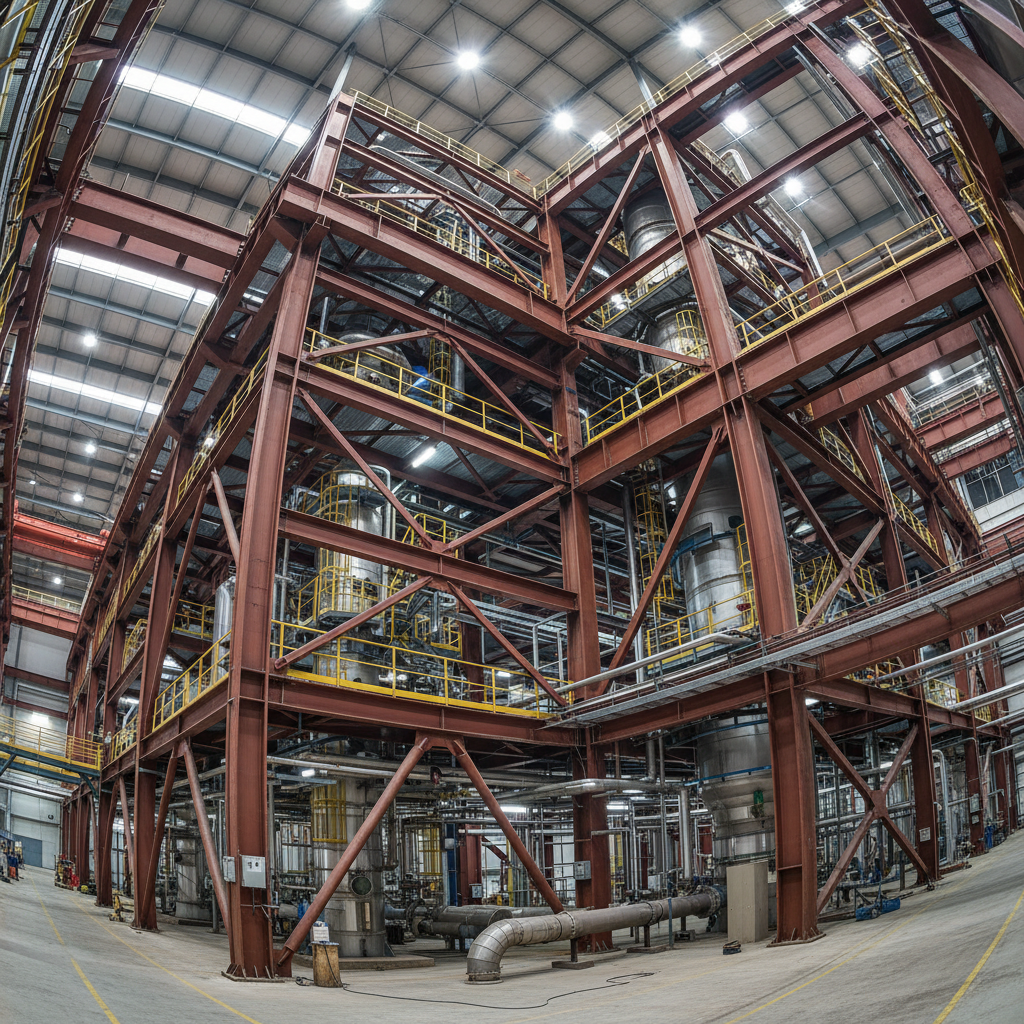
Structural Panels & Beams
I-beams, channels, and flat panels replacing steel in chemical plant superstructures. Full structural load rating with no galvanic coupling.
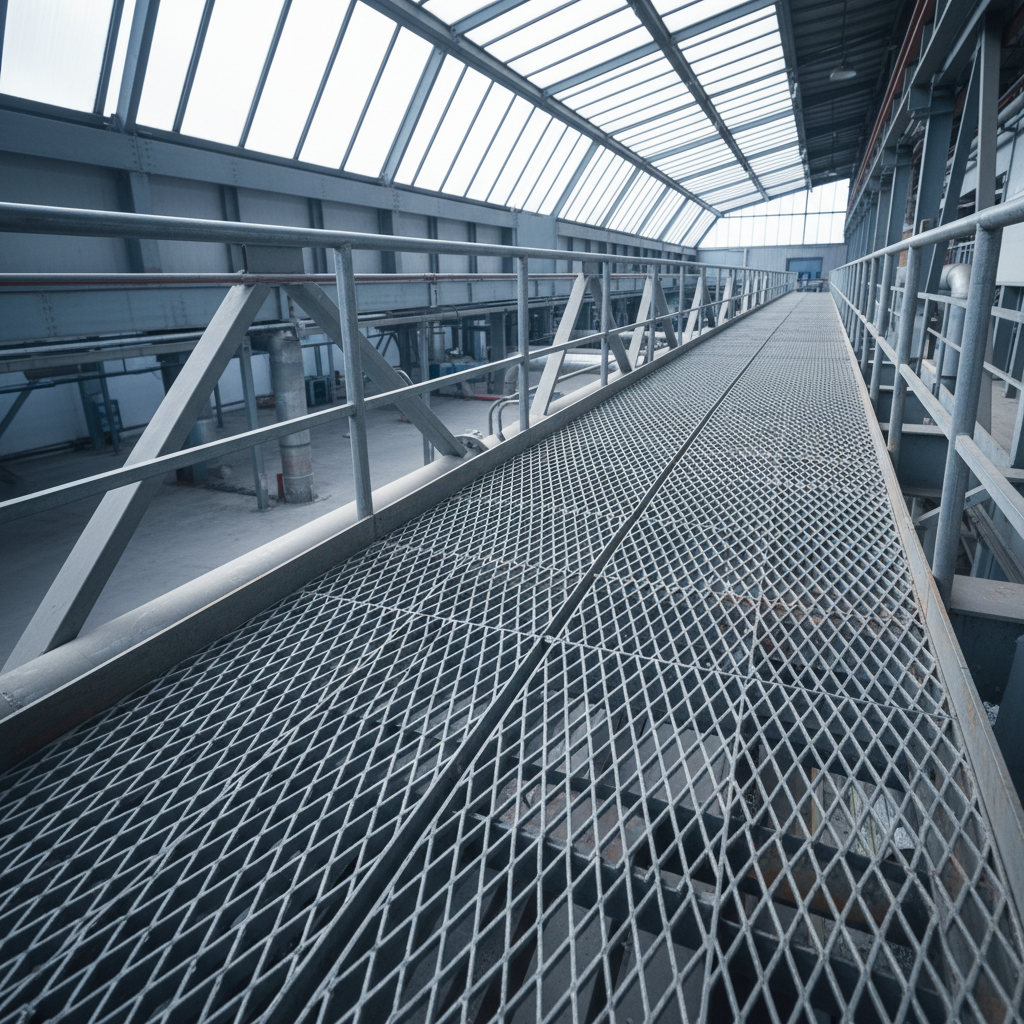
Industrial Grating
Molded and pultruded grating for walkways, platforms, and trench covers. Anti-slip surface integral to the laminate — no coating.
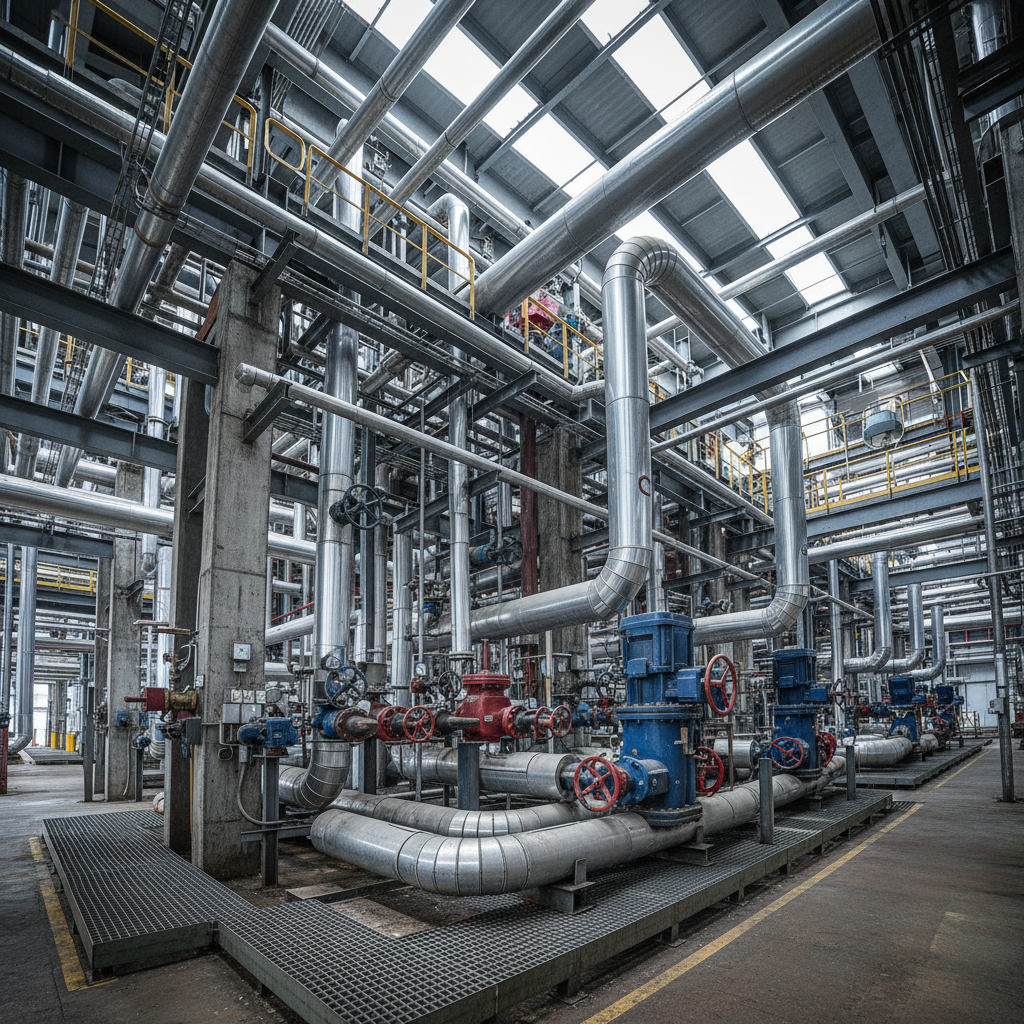
Pipe Supports & Hangers
Continuous-fiber pipe clamps and trapeze hangers rated for thermal expansion in acid piping systems where metal hangers corrode through in months.
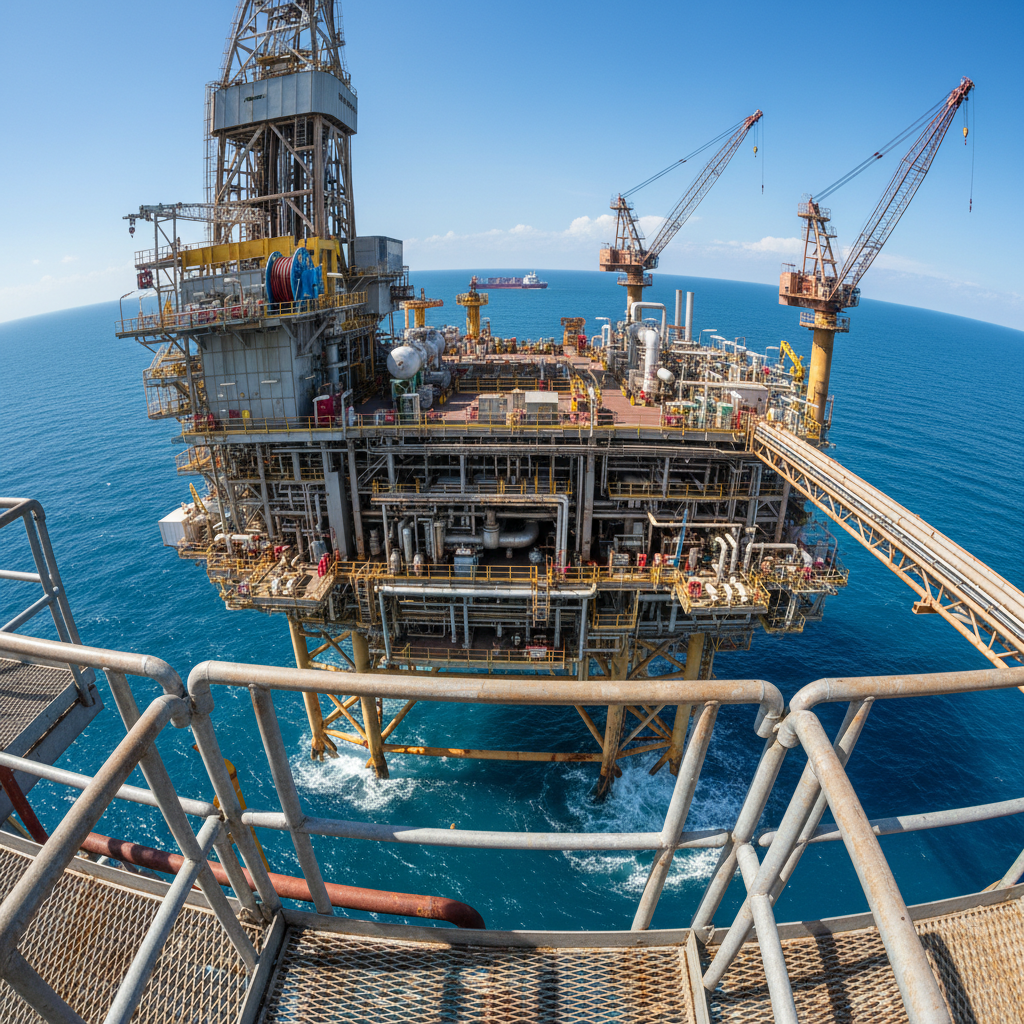
Handrail & Guardrail Systems
Full OSHA-compliant FRP handrail systems for offshore platforms and wastewater facilities. No primer, no paint, no annual inspection repaints.
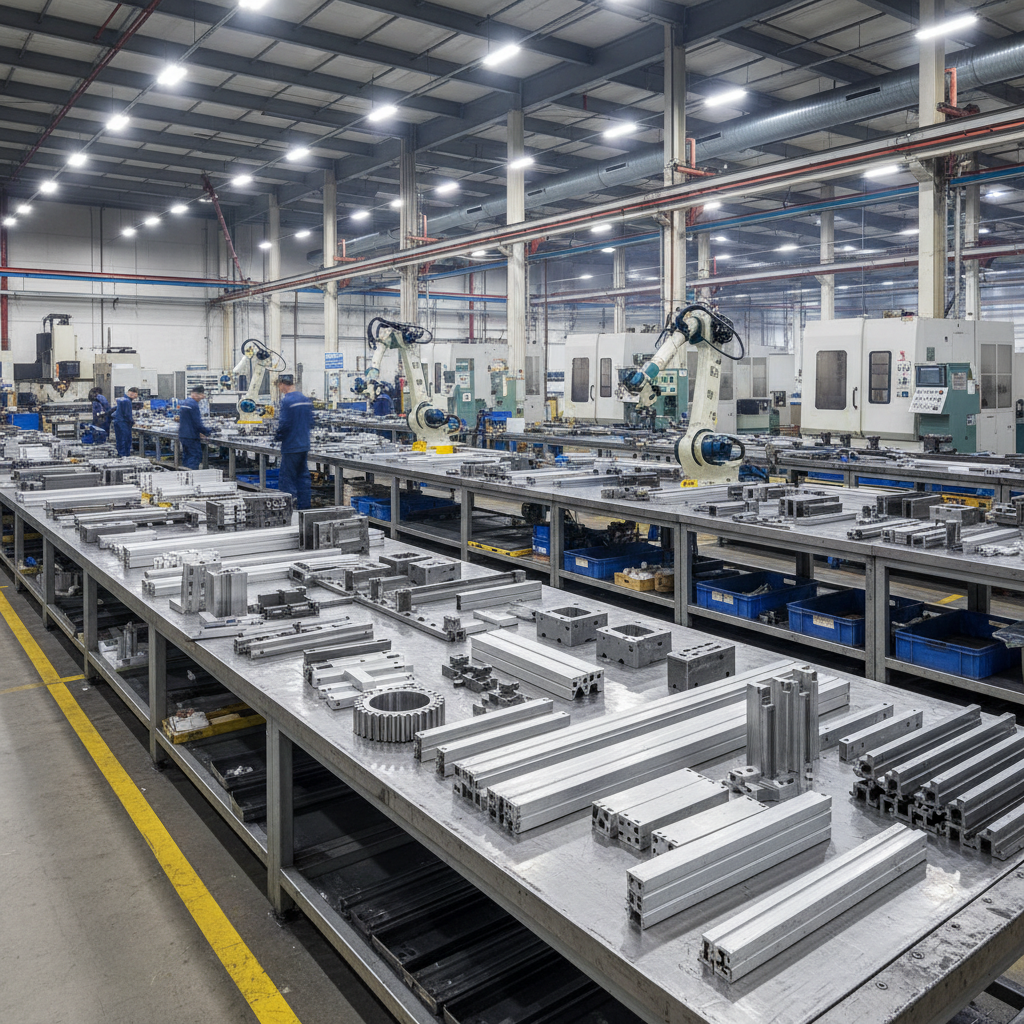
Custom Pultruded Profiles
Any cross-section your structural engineer specifies — angles, tubes, channels, and proprietary shapes. Tooling turnaround in 6 weeks.
6 wks
Custom tooling lead time
48
Resin/glass combinations
500m
Min. custom profile run
ISO 14125
Flexural test standard
Request a Material Audit
Our engineers will run your application parameters through our corrosion model and return a specification recommendation, lifecycle cost comparison, and relevant test data within 48 hours.
Download Technical Data Sheet
Full FRP specification: tensile, flexural, and compressive data across 48 resin/glass combinations. Used by engineers to build internal approval cases.
- ASTM mechanical property tables
- Chemical resistance matrix (200+ agents)
- Fire rating data (ASTM E84)
- Dimensional tolerances by profile
- Fabrication & joining guidelines